Crown Thinning in Millbank: Practical Tree Care for Homes, Gardens, and Businesses
If you are looking for crown thinning in Millbank, you are likely trying to solve a very specific problem: a tree that has become too dense, too heavy, or too dominant for the space it occupies. In a busy central London setting like Millbank, where gardens, courtyards, communal landscapes, street-facing trees, and commercial premises often sit close together, the right tree work can make a noticeable difference to light, airflow, safety, and the overall appearance of a property.
Crown thinning is one of the most useful arboricultural services for mature trees because it improves the structure and function of the canopy without taking away the natural shape of the tree. It is often chosen by homeowners, managing agents, landlords, and businesses that want their trees to look cared for while also addressing practical issues such as shading, branch rubbing, restricted views, wind resistance, and blocked daylight. In Millbank, where many properties are surrounded by hard landscaping, railings, paved surfaces, and limited outdoor access, a carefully planned thinning job can make a tree feel more balanced and manageable.
Whether you are maintaining a private garden, looking after a residential block, or managing a commercial frontage, a local tree team can help you decide whether thinning is the right approach. Contact us today to discuss your tree and request a free quote.
What crown thinning actually means for your tree
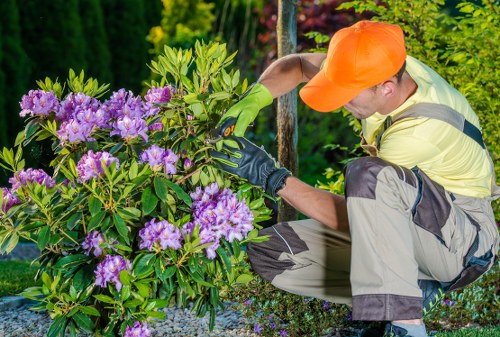
Crown thinning is the selective removal of small live branches from throughout the canopy. The aim is to reduce the density of the crown while keeping the tree’s outline, height, and overall character as intact as possible. Unlike heavy cutting, which can leave a tree looking reduced or uneven, thinning is about opening up the canopy in a controlled and strategic way.
This service is often suitable for established trees that have become crowded with growth. By removing selected branches, the arborist can improve the passage of light and air through the crown. In practical terms, that can mean less shade on a garden, reduced weight on limbs, and lower wind resistance in exposed positions. For properties in Millbank, especially those with limited ground space or trees close to buildings, those benefits can be very important.
It is worth noting that crown thinning is not the same as topping, lopping, or simply cutting back anything that feels in the way. A well-thinned tree still looks natural and healthy. The work should always be carried out by someone who understands tree biology, species-specific growth patterns, and how to preserve balance in the canopy. This is particularly important where trees are mature, mature but stressed, or planted in confined urban settings.
Why crown thinning is popular in Millbank

Millbank is a distinctive part of central London with a mix of residential apartments, period buildings, embassies, office spaces, riverside developments, and managed communal gardens. This creates a setting where trees are valued highly, but they also need to work within a tight urban footprint. A dense canopy can quickly become a problem when it shades windows, drops debris onto paths, or makes the immediate area feel dark and enclosed.
Many local customers ask for crown thinning because they want more daylight without losing the green presence of the tree. That is a common concern in streets and courtyards where buildings are close together and neighbouring properties are affected by the same tree. In a place like Millbank, where people often use balconies, small gardens, terraces, and shared outdoor areas, light and openness can make a real difference to comfort and usability.
Another reason crown thinning is valuable locally is wind management. Trees near open stretches, riverside corridors, or exposed corners can catch gusts more strongly than trees in sheltered parks. A lighter canopy can reduce stress on branches and lower the chance of wind-related damage, while still keeping the tree attractive and well-formed.
Signs your tree may need thinning
There are several practical signs that a tree could benefit from crown thinning rather than a more drastic cut. You may notice that the tree is overly dense, that little light reaches the ground beneath it, or that branches are rubbing together in the canopy. In some cases, the leaves may look healthy but the tree simply feels too bulky for its setting.
Other common reasons include branch crowding near windows, a canopy that creates excessive shade over lawns or planting beds, and heavy upper growth that seems to sway more than it should in windy weather. If the tree is close to a roofline, boundary fence, pathway, or parking area, thinning can also help reduce the nuisance caused by low light and overhanging growth.
You may also want to consider thinning if the tree has been allowed to develop naturally for years and now needs a more thoughtful maintenance approach. Dense older crowns often carry inner growth that no longer contributes to the overall shape or function of the tree. Carefully removing some of that excess material can restore a better balance.
How crown thinning helps different property types
For homeowners, thinning can improve the use of a garden by bringing back daylight, making patios more pleasant, and reducing the feeling that a tree is closing in on the space. For landlords and managing agents, it can help keep communal areas tidier and more welcoming, which matters in blocks where residents share entrances, courtyards, and access routes.
For commercial customers, the benefit often lies in presentation and practicality. A well-maintained tree can support the appearance of a business property, but a dense canopy may obstruct signage, darken a frontage, or create awkward maintenance issues around entrances and loading areas. Thinning can make the tree easier to live with while preserving a professional look.
What is included in a professional crown thinning service?

A proper crown thinning service should begin with an assessment of the tree, its species, its condition, and its position. Not every tree needs the same level of intervention, and a careful arborist will look at where the growth is concentrated, which branches are crossing, and how much material can be removed without weakening the crown. The goal is always to improve the tree, not simply to reduce it.
In most cases, the service includes selective branch removal throughout the crown, attention to branch spacing, and attention to maintaining the tree’s natural silhouette. A good team will also consider deadwood, lower limbs that affect access, and any signs of structural issues that should be addressed while the tree is being worked on. If needed, they may advise whether other services, such as crown lifting or deadwood removal, would be more appropriate alongside thinning.
For local customers in Millbank, the service may also include planning around access. That can mean working in narrow frontages, through shared gardens, or within tighter communal spaces where equipment, waste removal, and public access need to be managed carefully. In central London, the ability to carry out the work efficiently without causing unnecessary disruption is often just as important as the tree work itself.
Common elements you may expect
- Initial inspection and discussion of your goals
- Selective removal of live branches to reduce canopy density
- Retention of the tree’s natural shape and visual balance
- Collection and removal of arisings where agreed
- Advice on future maintenance and timing
How the process usually works
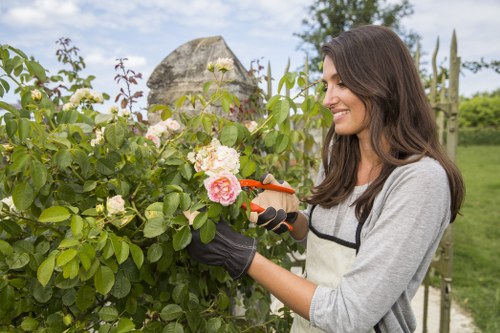
The process for crown thinning in Millbank is usually straightforward, but it should always be handled with care. It begins with a site visit or a detailed conversation about the tree and the issues you are trying to solve. At this stage, the arborist should ask about shading, growth over boundaries, access limitations, and whether there are any nearby structures, utility lines, or shared areas that need to be protected.
Once the scope has been agreed, the work is carried out using professional pruning methods. The operative will remove selected branches from around the canopy, stepping back regularly to check the balance of the tree as they work. Good thinning is gradual and controlled. It should not leave the tree patchy or over-opened. Instead, it creates a lighter canopy that still looks full and healthy from a distance.
After the thinning is complete, the site should be tidied and the debris removed as agreed. Many customers value the fact that the tree looks noticeably improved without appearing heavily altered. The result is usually a more manageable tree, a brighter outdoor space, and a better relationship between the tree and the property around it.
Before work begins, it helps to confirm
- Which tree or trees need attention
- What issue you want to solve: shade, weight, crowding, or appearance
- Whether access is through a driveway, side passage, courtyard, or shared entrance
- If there are parking restrictions, permits, or timed access concerns
- Whether waste removal and site clearance are required
Why local knowledge matters in Millbank

Choosing a local team for crown thinning in Millbank is useful because the area has its own practical challenges. Parking can be limited, access may need to be planned carefully, and many properties have shared entrances or restricted outdoor space. A team familiar with central London conditions is more likely to arrive prepared for tight working areas, loading restrictions, and the need to minimise disruption to neighbours or passers-by.
Local knowledge also matters when trees are part of a wider landscape or streetscape. A mature tree in a private garden may still affect neighbouring homes, flats, or commercial spaces. In a dense urban area, tree care is rarely just about one property. It often involves understanding how the canopy sits within the surrounding environment, how the light moves between buildings, and how to work around access constraints without creating unnecessary inconvenience.
That is why many customers prefer working with a company that regularly carries out tree crown thinning in Millbank and nearby parts of central London. The right team should understand how to plan the work properly, communicate clearly, and adapt to the realities of local streets, courtyards, and managed developments.
What makes a tree suitable for thinning?
Not every tree is an ideal candidate for thinning, and a professional should always assess suitability before any work starts. Mature broadleaf trees are often good candidates when the crown has become dense but the tree is otherwise healthy and stable. Trees that naturally produce heavy branching structures may also benefit from careful reduction in density, especially where light and airflow are priorities.
However, thinning is not the answer for every situation. A tree with major structural defects, significant decay, root problems, or signs of serious stress may need a different approach. In some cases, a lighter intervention, such as deadwood removal or selective pruning, could be more appropriate. A responsible arborist will explain the options rather than pushing for unnecessary work.
If you are unsure whether your tree needs thinning, a local inspection is the best starting point. That way, you can understand what will improve the tree’s condition and what should be avoided. This is especially important in a place like Millbank, where many trees are part of carefully maintained landscapes and should be treated with long-term health in mind.
Benefits of crown thinning for Millbank customers
Crown thinning offers a range of practical and visual benefits. For many customers, the biggest advantage is the improvement in natural light. A lighter crown can allow daylight to reach windows, garden seating areas, and ground-level planting, helping the space feel more open and usable. That matters in central London, where outdoor areas are often compact and every bit of light counts.
Another benefit is improved airflow. Dense tree crowns can trap moisture and create stagnant conditions in shaded spaces. By opening up the canopy slightly, thinning can help air move more freely through the tree and surrounding area. While this is not always the primary reason for the work, it can make a difference to comfort and maintenance.
Other advantages may include:
- Reduced shade over windows, patios, and shared spaces
- Lower wind resistance in exposed positions
- Less rubbing between competing branches
- Improved appearance and a tidier silhouette
- Better balance between tree size and available space
- Reduced nuisance from over-dense growth close to buildings
Preparation checklist for customers
Before your tree work takes place, a small amount of preparation can help the job run smoothly. If the tree sits in a communal or shared space, let the relevant people know about the planned work so access is clear. If vehicles need to be moved or parking space is required for equipment, arrange that in advance where possible.
It is also helpful to clear items from the immediate area around the tree, such as garden furniture, fragile pots, bikes, or temporary storage. In tight Millbank locations, simply making the work zone easy to reach can save time and reduce the chance of accidental damage. If there are overhead obstructions, locked side gates, or restricted access routes, make sure those are discussed before the team arrives.
Simple preparation steps:
- Identify the tree or trees to be worked on
- Remove or protect nearby items and vehicles
- Share access details for gardens, courtyards, or communal areas
- Inform neighbours if the work may affect shared spaces
- Raise any concerns about cables, fencing, or delicate planting
Pricing factors for crown thinning
Customers often want to know what affects the cost of crown thinning. While exact pricing depends on the site and the tree, several common factors influence the level of work involved. The size of the tree is usually one of the main considerations, as larger crowns take longer to assess and manage. Species matters too, because some trees respond differently to selective pruning.
Access can also have a big impact. A tree in an easy-to-reach rear garden may be more straightforward than one in a courtyard with limited access, a roofline nearby, or restrictions on where equipment can be placed. In Millbank, where many properties sit in compact plots or shared developments, access planning can be just as important as the pruning itself.
Other pricing factors may include the amount of material that needs to be removed, whether waste is to be taken away, whether additional tree care is needed, and whether the work requires extra planning around traffic, parking, or permissions. A proper quote should reflect the specific site and the actual service required, rather than relying on a one-size-fits-all approach.
Typical factors that affect the quote
- Tree height and spread
- Density of the crown
- Access to the tree and working space
- Need for debris removal
- Any additional pruning or safety work
- Site constraints such as shared access or parking limitations
Why choose a local company for crown thinning in Millbank?
There are clear advantages to using a local team that regularly works in and around Millbank. Local knowledge means they are more likely to understand the practical realities of central London properties, from narrow access routes to communal arrangements and on-street constraints. That can make planning simpler and the whole experience smoother for you.
A local company is also more likely to appreciate the varied character of the area. Millbank includes modern apartments, period conversions, riverside developments, and commercial properties, and each setting can call for a slightly different approach. The best tree care is tailored to the property, the tree, and the needs of the people using the space.
Just as importantly, a local team should be able to offer clear communication and sensible scheduling. When you are dealing with a tree close to your home or business, you want a service that works around your day as much as possible. That includes respecting neighbours, shared spaces, and the practical constraints of central London access.
Areas covered around Millbank
Tree owners in Millbank often need work carried out in surrounding central London areas as well, especially where properties share boundaries or management arrangements. Services may be relevant to nearby residential streets, riverside developments, and commercial zones where trees influence more than one property.
Customers often look for support in adjoining parts of Westminster and nearby central London neighbourhoods where mature planting and compact access create similar challenges. If your tree is close to a boundary or part of a wider managed site, a nearby service area can be especially useful for arranging inspections and works efficiently.
Examples of nearby property types include:
- Flats and apartment blocks
- Townhouses and period conversions
- Managed communal gardens
- Office buildings and commercial entrances
- Riverside or courtyard developments
Frequently asked questions
How often should a tree be thinned?
It depends on the species, age, location, and how fast the tree grows. Some trees may only need attention occasionally, while others in busy urban settings benefit from periodic maintenance. A local inspection can help determine the right timing.
Will thinning damage the tree?
When done properly, thinning should support the tree rather than harm it. The key is selective removal, sensible limits, and an understanding of how the tree will respond over time. Poorly executed pruning can cause problems, which is why professional care matters.
Can thinning help if my tree blocks too much light?
Yes. This is one of the most common reasons customers request the service. Thinning can increase light penetration while keeping the tree looking natural and healthy.
Is crown thinning suitable for trees near buildings?
Often, yes. In fact, many requests come from properties where trees are close to windows, walls, roofs, or shared walkways. The work must simply be planned carefully so the right branches are removed without affecting stability.
Do I need permission before the work goes ahead?
Some trees may be protected by tree preservation orders or subject to conservation controls, so it is important to check before starting any work. A responsible tree care provider can help you understand whether any permissions apply.
When to request a quote
If your tree in Millbank is now overshadowing the garden, reducing natural light indoors, or making the space feel cramped, it may be the right time to request a quote. The best time to act is often before the canopy becomes so dense that a more significant intervention is needed. A timely thinning job can preserve the tree’s appearance while making the surroundings much more comfortable.
It is also worth booking an assessment if the tree sits close to a structure, if neighbours have raised concerns, or if you have noticed the crown becoming unbalanced. The earlier the issue is reviewed, the easier it usually is to choose the right approach. For residential and commercial customers alike, that can save time and help maintain the property in a tidy, responsible way.
Request a free quote if you want a tree that looks lighter, feels more manageable, and still keeps its natural character. Book your service now and take the first step toward a healthier, better-balanced canopy.
Final thoughts on crown thinning in Millbank
Crown thinning is a sensible choice for many urban trees because it improves light, reduces excess density, and helps the tree sit more comfortably within its surroundings. In Millbank, where properties are close together and outdoor space is often limited, those improvements can have a genuine impact on day-to-day living and working.
Whether you manage a residential block, own a private garden, or look after commercial premises, the right tree care can make your property easier to use and more attractive to the people who rely on it. A professional, locally minded service will consider the tree, the site, and your priorities before recommending the best approach.
If you are comparing options for crown thinning in Millbank, look for a company that understands urban tree care, works carefully around access challenges, and offers clear, practical advice. Contact us today to discuss your tree, ask questions, and arrange a quote tailored to your property.