Crown reduction in Millbank
If you are looking for crown reduction in Millbank, you are probably dealing with a tree that has grown a little too large for its setting. Maybe it is beginning to block light in a flat, leaning over a garden, touching a roofline, or simply becoming too dominant for the space it sits in. In an area like Millbank, where mature trees often share space with terraces, apartment buildings, courtyard gardens, commercial premises, and busy streets, careful tree work matters. A well-planned crown reduction can help keep a tree healthy, safer, and better suited to its surroundings without removing it altogether.
Our local tree surgery service is designed for property owners, landlords, managing agents, housing associations, and commercial clients who need a practical solution that respects both the tree and the site. Whether the tree is in a private garden near the river, in a communal courtyard, or outside a workplace where access is tight, the aim is the same: reduce the crown responsibly, improve balance, and keep the tree looking natural. That means no unnecessary harsh cutting, no rushed work, and no approach that ignores the needs of the tree or the property.
We understand that people in Millbank often want a service that is efficient, tidy, and considerate of neighbours, traffic, and shared access. That is why a local team is valuable. A crew that regularly works in central London is better prepared for parking restrictions, limited loading space, pedestrians, shared entrances, and the logistics that come with working in built-up neighbourhoods. If you are considering tree crown reduction and want clear advice before you commit, this page explains what the service involves, when it is useful, and how to prepare.
What crown reduction means for your tree
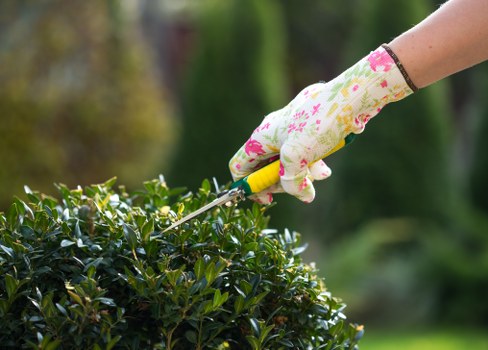
Crown reduction is the selective cutting back of a tree’s outer growth to reduce its overall height, spread, or both. It is different from simply “cutting a tree down” or stripping back large sections. A proper reduction keeps the tree’s natural shape as much as possible while making it more manageable for its site. In practical terms, it can help reduce overextended branches, lower wind resistance, improve clearance, and ease pressure on nearby structures.
In Millbank, crown reduction is often requested because trees are growing close to buildings, boundary lines, or walkways. Some trees are planted in small gardens or shared spaces where a mature canopy can quickly become too large. Others may have branches reaching over parking areas, balconies, or access routes. In those cases, a carefully judged reduction can solve the issue while allowing the tree to remain in place.
It is important to use a skilled arborist for this work. Poor reductions can leave a tree looking misshapen, stressed, or more likely to produce weak regrowth. A thoughtful approach considers the species, the tree’s current health, its growing habit, and the space available. The result should be practical and visually balanced, not overdone.
Why local customers in Millbank ask for crown reduction
There are many reasons homeowners and businesses arrange crown reduction in Millbank. Some trees become too tall for their garden, some begin to shade rooms excessively, and some simply need a structural adjustment after years of growth. In a dense part of London, a tree that once looked well proportioned can start to feel intrusive if it is too close to windows, roofs, boundary walls, or other sensitive features.
Light is a common concern. A large crown can make a flat feel darker than it should or reduce light into a courtyard and neighbouring windows. Crown reduction can help open up the space again while keeping the tree intact. It is also useful where branches are encroaching on gutters, roof tiles, signage, security lighting, or footpaths. For commercial clients, a reduced crown may make a property easier to maintain and safer for the public to use.
Another common reason is wind exposure. Large, dense crowns can catch the wind, especially where buildings create channels or turbulence between streets. Trimming the crown to a more stable structure can reduce strain on the tree and lessen the chance of branches causing damage in poor weather. That said, the right reduction needs to be proportionate. Removing too much at once is rarely a good idea, which is why assessment matters before any work begins.
How crown reduction is carried out

Good crown reduction starts with inspection. The tree is assessed from the ground and, where needed, from closer range to understand its shape, branch structure, size, species, condition, and location. The arborist looks for potential problems such as crossing limbs, weak forks, deadwood, signs of disease, previous pruning wounds, and any nearby obstacles. This step helps determine how much can be reduced without harming the tree’s long-term health.
Once the plan is agreed, the work is done using targeted cuts back to suitable lateral branches or growth points. The goal is to retain a natural outline and avoid leaving large stubs. A quality reduction should be even and proportionate, with particular care taken around the top and outer limbs where the crown is usually heaviest. In some situations, only one part of the crown needs attention; in others, the full canopy requires a measured reduction.
After the cuts are made, the site is cleared of branches and debris. For customers in Millbank, this tidy-up is an important part of the service. In shared access areas, communal courtyards, and public-facing locations, it is essential that the work leaves the area safe and presentable. If required, the team can also advise on whether follow-up maintenance may be sensible in the future.
When a crown reduction is the right choice

Not every tree issue is solved the same way. Sometimes pruning is enough, and sometimes crown thinning, lifting, or selective deadwood removal will be more suitable. Crown reduction is usually the right choice when the size of the tree itself is the main concern. If the canopy is too wide, too tall, or putting pressure on nearby features, reducing the crown can be the most balanced option.
It can also be helpful when a tree has outgrown a small site but you still want to keep it. Many residents and property managers in Millbank prefer to maintain greenery rather than remove it, particularly where mature trees add character, shade, and privacy. A reduction allows you to keep the tree while making it better suited to the surroundings.
In some cases, crown reduction is recommended after storm damage or if a branch failure has altered the structure of the tree. It may also be useful where previous work has left uneven growth and the canopy needs rebalancing. Every tree and every site is different, so the best result comes from choosing a method that matches the problem rather than using one standard approach for all situations.
What you can expect from our tree reduction service
Customers usually want to know exactly what is included before they book. A professional crown reduction service in Millbank typically includes an initial assessment, discussion of the desired outcome, careful pruning by experienced arborists, and a thorough clear-up afterwards. If there are access issues, the team should plan the job to suit the site, whether that means working around narrow entrances, restricted parking, or the need to minimise disruption to neighbours and passers-by.
Depending on the tree and the location, the service may also include advice on whether additional work is sensible. For example, some trees benefit from deadwood removal at the same time. Others may need a follow-up inspection in the future if the species grows quickly or if the site is particularly exposed. The aim is not just to finish the job on the day, but to leave you with a tree that remains manageable afterwards.
If you are a homeowner, landlord, or commercial manager, you may also need the work to fit around occupants, customers, or planned maintenance. That is where a local service can help. A team that knows the Millbank area is more likely to plan the visit efficiently, reduce delays, and work with an awareness of central London conditions. Contact us today if you want to arrange a site visit or request a free quote for your tree.
Benefits of crown reduction for Millbank properties
There are practical and visual benefits to reducing a tree crown when the work is done properly. One of the most noticeable is improved light. That can make a real difference for basement flats, courtyard gardens, ground-floor rooms, and offices where natural light is important. Another benefit is improved clearance around roofs, walls, windows, and access routes.
For many property owners, the service also improves day-to-day usability. A more manageable canopy may mean less leaf fall into gutters, fewer branches brushing against windows, and better access to outside areas. In a busy district like Millbank, this kind of maintenance can reduce friction between the tree, the building, and the people using the space.
There is also the aesthetic side. A well-shaped tree looks cared for, balanced, and in keeping with its surroundings. That can matter on residential streets as well as in commercial settings where presentation is important. A reduction that respects the natural form of the species can improve the appearance of the whole property while preserving the character that mature trees bring.
Additional advantages
- Better light penetration into rooms and outdoor spaces
- Reduced risk of branches encroaching on structures
- Improved balance and canopy proportion
- Less strain on the tree in windy conditions
- Cleaner, safer access around paths and entrances
- More manageable ongoing tree maintenance
Local knowledge matters in Millbank
Millbank has its own set of practical challenges, and tree work here is rarely straightforward. Properties can be close together, roads can be busy, and access can be limited by residents-only parking, loading restrictions, or tight courtyards. Working in this part of London requires planning, courtesy, and the ability to complete the job with minimal disruption. A local tree surgery team is more likely to arrive prepared for these conditions.
Residential properties in the area may include period buildings, mansion blocks, modern apartments, and homes with compact gardens or shared outdoor areas. Commercial sites can involve offices, hospitality venues, managed estates, and public-facing premises. Each site has different requirements, and crown reduction needs to be adapted accordingly. What works in a large open garden may not be suitable for a building set back from a narrow pavement.
Local experience also helps when discussing access, waste removal, and timing. If work needs to be scheduled around business hours, resident access, or quieter periods in the neighbourhood, a nearby team is better placed to accommodate that. For many customers, convenience and careful planning are just as important as the pruning itself.
Property types we commonly help in and around Millbank
Crown reduction is useful across a wide variety of property types. In Millbank and the surrounding central areas, trees may be found in private gardens, shared residential spaces, communal courtyards, business premises, and landscaped grounds. The same service can therefore suit very different needs depending on the property and the tree in question.
We often see requests from people managing mature trees near flat developments, office courtyards, healthcare settings, schools, and mixed-use buildings. A tree might be shading a terrace, interfering with a roof gutter, or growing too close to a boundary. In some cases, the customer simply wants the tree to look more balanced after years of growth. Whatever the reason, the work should be tailored to the site rather than treated as a routine trim.
If you are responsible for a building or shared outside area, it is often helpful to think ahead about maintenance cycles. Trees that grow quickly may need attention more regularly than slower species. A discussion with an arborist can help you decide whether a one-off reduction will be enough or whether a longer-term management plan would make sense.
What affects the cost of crown reduction?
There is no single fixed price for crown reduction because every tree and site is different. Several practical factors influence the scope of the work, and understanding these can help you make sense of a quote. The main considerations usually include the tree’s size, species, location, condition, and the level of access available on site.
A larger tree with a broad canopy will naturally take longer and require more careful work than a smaller ornamental tree. Trees near buildings, power lines, glass, or fragile landscaping may also need more attention and planning. In Millbank, access can be a major factor too. If equipment must be moved carefully through narrow entrances or parking restrictions apply, that can affect the overall job setup.
Other cost factors can include whether additional services are needed, such as removing deadwood, clearing storm damage, or dealing with previously poor pruning. If a tree is especially complex or in a sensitive location, the work may require more manpower and time. The best approach is to request a site assessment so the quote reflects the actual work required, not a rough guess. That gives you a clearer picture before any decision is made.
Common pricing influences
- Tree height and canopy spread
- Species and growth habit
- Access for staff, tools, and waste removal
- Proximity to buildings, roads, or boundaries
- Condition of the tree and previous pruning history
- Additional work requested at the same time
How to prepare for your tree work visit
Preparing for a crown reduction visit is usually straightforward, but a little planning can make the day go more smoothly. If the tree is in a shared area, letting neighbours or building managers know in advance can reduce disruption. It is also sensible to ensure any gates, side access, or common entrances can be opened when needed.
If you have garden furniture, potted plants, bicycles, or vehicles close to the tree, moving them out of the work area can help speed up the process and protect your belongings. For commercial properties, it may be useful to notify staff or customers if access points will be partially restricted during the job. In some cases, you may also want to arrange temporary signage or traffic control around the area.
Here is a simple checklist that can help before the team arrives:
- Confirm access to the tree and any locked gates or shared entrances.
- Move items away from the base of the tree where possible.
- Park vehicles elsewhere if branches are overhanging the area.
- Inform residents, tenants, or staff if the work may cause short-term noise.
- Share any concerns about nearby structures, gutters, cables, or fragile plants.
Why choose a local company for crown reduction in Millbank
Choosing a local tree surgery company offers several practical benefits. First, local teams are more familiar with the challenges of central London sites, from constrained access to the need to keep disruption low. They are also more likely to understand the tree issues that arise in built-up areas where mature planting and tight urban spaces often sit side by side.
Second, a local provider can be more responsive. If you need a quick assessment because branches are causing concern, or if you are managing multiple properties in the area, it helps to work with a team that can visit promptly and plan efficiently. That matters for landlords, agents, facilities teams, and homeowners who want the issue dealt with without unnecessary delay.
Finally, local knowledge supports better judgement. The tree species commonly found in London gardens and streets have different growth patterns, and a professional familiar with those habits is better placed to recommend a sensible reduction. This is especially important if you want the tree to recover well and continue looking attractive after the work is done.
Frequently asked questions
When people enquire about crown reduction in Millbank, they often have similar questions. Below are some of the most common ones we hear from local customers.
Will crown reduction harm my tree?
When carried out properly, crown reduction should not harm a healthy tree. The key is to reduce the canopy in a way that suits the species, size, and condition of the tree. Problems usually arise when too much is removed, cuts are made in the wrong place, or the work is done without considering the tree’s future growth. A professional approach aims to preserve structure and vitality.
How often will my tree need reducing?
That depends on the species and how fast it grows, as well as the site. Some trees need attention more often than others. Fast-growing trees may require periodic maintenance, while slower-growing or smaller ornamental species may stay manageable for longer. An arborist can give advice based on the tree you have rather than offering a one-size-fits-all answer.
Can crown reduction help if my tree is blocking light?
Yes, it can. Reducing the spread and height of the crown can improve light levels into nearby rooms, courtyards, and gardens. If your main issue is shade, a crown reduction may be more suitable than heavier pruning methods, depending on the tree and the amount of light you want to regain.
Do I need permission before the work is done?
Sometimes tree work can require permission or consideration of local constraints, especially if a tree is protected or located in a conservation area. It is sensible to check the status of the tree before any work goes ahead. A responsible tree surgery team should be able to discuss this with you and help identify whether further checks are needed.
Can you work around tight access and parking restrictions?
Yes, this is common in Millbank and nearby central areas. Careful planning is usually enough to manage most access issues. If the site has limited space, it helps to discuss this early so the team can prepare the right equipment and logistics for the job.
Areas covered near Millbank
We provide crown reduction services in Millbank and surrounding central London locations where properties often face similar access and maintenance challenges. Nearby areas may include Westminster, Pimlico, Victoria, Lambeth, Vauxhall, and other close-by neighbourhoods where trees need careful management in busy urban settings.
If your property sits on a narrow street, within a managed estate, or close to a public walkway, it is worth speaking with a local team that understands how to work safely and tidily in these environments. The same applies whether you need one tree reduced or several trees assessed across different parts of a property portfolio.
Request a free quote if you would like a sensible, site-specific recommendation for your tree work. If you are ready to go ahead, book your service now and get the process started with a local arborist who knows the area.
Signs your tree may need attention soon
Not every tree shows obvious problems straight away. Sometimes the signs build gradually until the canopy has become too large for the space. If you are unsure whether crown reduction is appropriate, look for a few common indicators. Branches may be touching buildings, blocking windows, hanging low over paths, or leaning into neighbouring properties. You may also notice more shade than before, or the crown becoming visibly uneven.
Another sign is recurring maintenance issues. If gutters are constantly filling with leaves, if you are dealing with rubbing branches, or if the tree seems to dominate the whole garden, a reduction may bring things back into balance. For businesses, overhanging branches around entrances or customer areas can create a poor impression as well as a practical nuisance.
It is always better to address these issues early rather than waiting until the tree becomes difficult to manage. Early intervention often means the work can be lighter and more beneficial. A conversation with an arborist can help you decide whether the tree needs crown reduction, another pruning method, or simply monitoring for the time being.
Why careful pruning is better than drastic cutting
Tree care works best when it supports long-term health. Drastic cutting may seem like a quick fix, but it can leave a tree vulnerable, unattractive, and more difficult to manage later. A large topping cut or heavy unplanned removal can trigger weak regrowth and create future maintenance problems. That is why a measured crown reduction is usually the better choice.
By reducing the tree in a structured way, the canopy can be adjusted while still preserving the character and strength of the tree. This is especially valuable in Millbank, where trees often contribute to the look and feel of a property and the surrounding streetscape. A tree that has been pruned carefully can continue to provide shade, screening, and greenery without overwhelming the site.
If you are comparing options, ask for a reduction that suits the tree rather than the quickest possible cut. The difference is noticeable both immediately and in the seasons that follow.
Book crown reduction in Millbank with confidence
If a tree on your property is becoming too large, too dense, or too close to nearby structures, crown reduction may be the right solution. For customers in Millbank, the benefit of using a local team is simple: better understanding of access, faster planning, and work that suits the realities of central London properties. Whether you manage a private garden, a communal courtyard, or a commercial site, the service can be tailored to your needs.
We focus on sensible, professional tree care that keeps your space practical and your tree looking its best. If you are unsure whether crown reduction is the right option, we can assess the tree and explain what would work well for the site. There is no need to wait until the canopy becomes a bigger problem. Early action can make the process easier and the outcome better.
Contact us today to discuss your tree and arrange a quote. Book your service now if you want to move forward with a local, reliable solution for crown reduction in Millbank.